

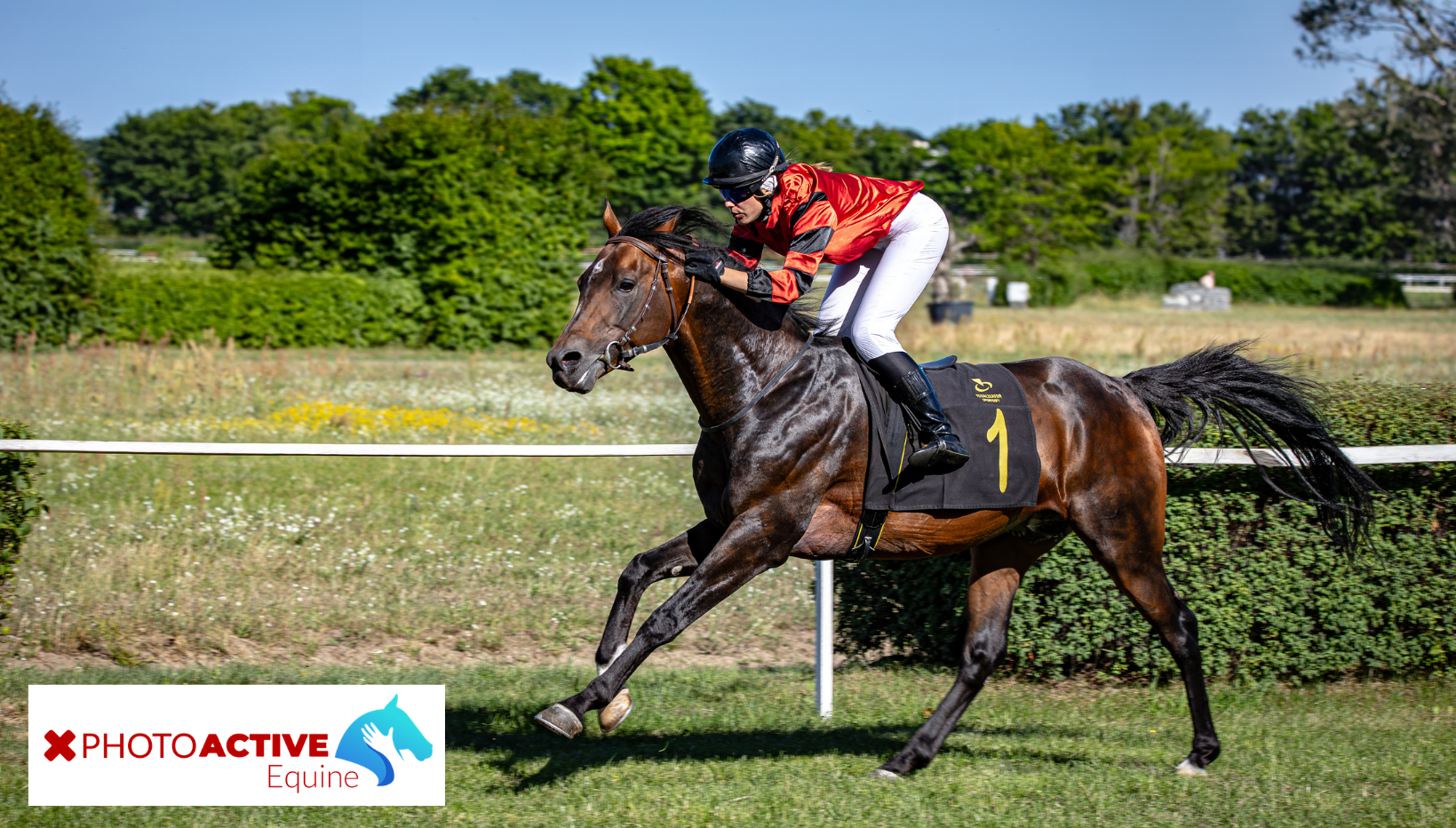

In horse racing, preparing a horse goes far beyond training. Its environment also plays an important role in its health and its ability to maintain peak performance.
Transport, changing stables, gatherings at racecourses… racehorses regularly come into contact with horses from other facilities. These situations can facilitate the spread of infectious agents and expose horses to health issues that may affect their athletic performance.
Air quality: a key factor in performance
The respiratory system is particularly heavily challenged in racehorses. However, dust and particles present in stables can contribute to airway inflammation.
A study involving 64 Thoroughbred horses and 98 race performances identified signs consistent with mild equine asthma in 80% of the respiratory samples analysed. The study also showed that an increase in certain inflammatory cells in the airways was associated with a decrease in speed-related performance indicators.
These findings highlight the importance of limiting exposure to dust and contaminants in the horse’s environment as much as possible.
When horses from different stables come together
On race days, many horses from different stables and countries share the same environment. Stalls, transport vehicles, corridors, equipment and preparation areas therefore become shared spaces.
A study conducted during a multi-week equestrian event provides interesting insight into this issue. Of the 1,288 samples collected from horse stalls, 28 tested positive for respiratory pathogens, representing 2.2%. Samples collected directly from the horses showed 2.8% positive results.
Although this study focused on sport horses rather than specifically racehorses, it highlights an important point: stall environments can harbour respiratory microorganisms during equine gatherings.
Infections that can disrupt the racing season
For a racehorse, a respiratory disease can have significant consequences for its training programme and participation in competitions.
A six-month study involving 30 Thoroughbred horses observed the circulation of Equine Rhinitis A Virus (ERAV). More than 55% of the two-year-old horses developed seroconversion during the study period. This infection was significantly associated with an inability to race afterwards.
This does not mean, of course, that every infection results in reduced performance: research shows varying outcomes depending on the infectious agent and the circumstances. However, these findings highlight the importance of appropriate health prevention measures in facilities housing competition horses.
PhotoACTIVE Equine: complementary protection for the environment

Prevention relies on several good practices: regular stall cleaning, dust management, disinfection of surfaces and equipment, cleaning of transport vehicles, monitoring of horses and compliance with biosecurity protocols.
PhotoACTIVE Equine complements these measures with its long-lasting surface disinfection technology.
By treating stalls and particularly exposed surfaces, stables can add an extra layer of protection to their hygiene protocols, particularly before and after travel and competitions.
PhotoACTIVE Equine disinfection solution offers:
- 1 year of disinfection with 100% effectiveness on treated surfaces
- A solution tested and approved by FEI veterinarians
- A solution that destroys viruses, bacteria, fungi and volatile organic compounds (such as ammonia)
Find out more about PhotoACTIVE Equine products
Preserving the environment to support performance
For racehorses, maintaining a healthy environment is an additional element of preventive care. From air quality and stall hygiene to limiting indirect contact, every measure can help reduce health risks.
PhotoACTIVE Equine supports professionals in this approach by helping maintain healthier surfaces and limiting the long-term presence of microorganisms in the horse’s environment.
Scientific sources
- Ivester K. M., Couëtil L. L., Moore G. E., An observational study of environmental exposures, airway cytology, and performance in racing thoroughbreds, Journal of Veterinary Internal Medicine, 2018.
- Investigation of the Frequency of Detection of Common Respiratory Pathogens in Nasal Secretions and Environment of Healthy Sport Horses Attending a Multi-Week Show Event, Viruses, 2023.
- Equine Rhinitis A Virus Infection in Thoroughbred Racehorses – A Putative Role in Poor Performance?
- Couëtil L. et al., Equine respiratory viruses, airway inflammation and performance in thoroughbred racehorses, Veterinary Microbiology, 2021.